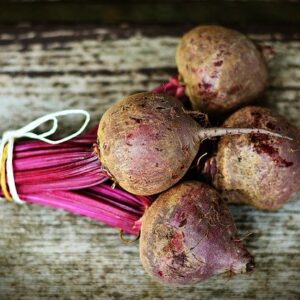
PLANT: Beets-Ruby Queen
$4.00Deep reddish purple beets excellent for canning. Open pollinated.
Know the story behind your food.

Showing 1–16 of 35 results
The light green, tender leaves are an excellent addition to salads, and sauces. Grow in full sun to part shade, and harvest the leaves after they are about 6 inches tall. After it bolts, allow it to go to seed for coriander seeds. Annual
This heirloom variety produces large, dark purple fruits on medium sized plants. Plant in full sun, in fertile, well drained soil.
A round, red-skinned onion with a somewhat strong flavour. It stores well, and the flesh is white with a pink tinge.
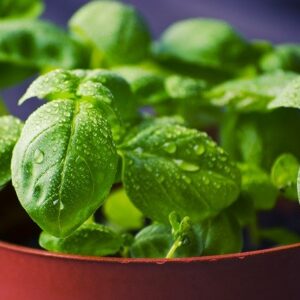
This basil is the most commonly grown type. It is excellent in pestos, salads, and sauces- and has even been used to flavour ice cream!
Grow in full sun in fertile, well drained soil. Basil is very sensitive to frost and likes warm temperatures, so don’t plant it out too early.
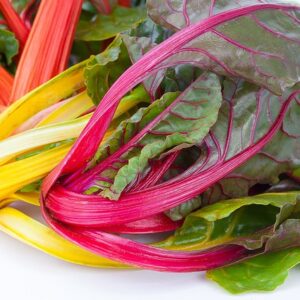
A colourful addition to your veggie garden. Bright lights chard has a mix of different coloured stems- from deep red and orange to white and yellow.
Chard is excellent in scrambled eggs, omelets, sauteed with garlic, or added to spaghetti sauce.
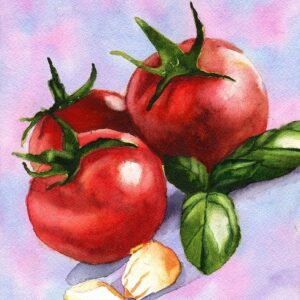
As the name suggests, this is an excellent variety for growing in a large pot on your patio. These plants bear medium sized dark red fruit on small, compact plants. No staking required!
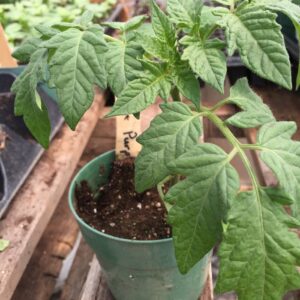
Old german bears striped yellow and orange fruit, and is one of my favourite tomatoes! The fruits are large, very sweet, and juicy. Great for slicing on toast!
Indeterminate plant requires caging or staking.
Add colour to your pesto! Choose from purple, cinnamon, or genovese basil for a flavourful mix. Cinnamon basil has a sweet, licorice flavour and lovely light purple flowers; and the purple basil has a flavour more similar to genovese basil, but with dark purple leaves. Basil grows well on your windowsill, and in any fertile, well drained garden. It does like heat though, so make sure to plant it in full sun. (2-3 plants/ pot for 4 inch pots)
Here’s a disease resistant cabbage variety- if you are new to growing things, or you haven’t had much luck growing cabbages in the past due to splitting or rot, then this variety may do better for you. Multikeeper is a hybrid that’s been bred and selected for resistance to yellows, black rot, and black speck. It is also less likely to split or get tip burn.
You can expect to harvest cabbages in the late summer/ early fall. This is a short term storage cabbage, and it’s good for sauerkraut and general cooking, but it won’t store for months like your winter cabbages.
Plant in well drained fertile soil in full sun.
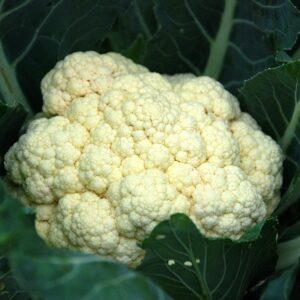
These plants produce uniform, 2lb white heads. In order to develop dense, tasty curds the plants have to grow steadily . In other words, make sure that they get enough water. And if they slow down growing, feed them with a balanced, organic fertilizer.
Cauliflowers are heavy feeders, so be sure to plant them in fertile soil with plenty of compost. Once the cauliflower head starts forming, tie up the leaves with a rubber band. This keeps your cauliflower white. Harvest just when the florets are beginning to separate.
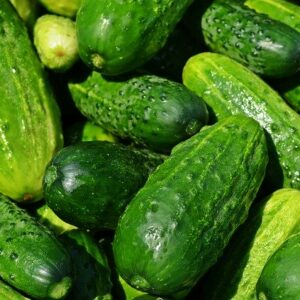
A compact cucumber plant that won’t invade your entire garden! Bush pickle produces medium green, white spined cucs that are around 4-5 inches long. And the plants are half the size of regular cucs. Try growing in patio planters, but be sure to use a good quality potting soil. Plant in full sun.
Medium sized upright plants can be grown in containers. This variety is one of the best long oriental types tested by William Dam seeds. The fruits can get up to 11 inches long!
Eggplants thrive in hot conditions. Plant them in fertile, well drained soil in full sun.
Be sure to protect from frost.
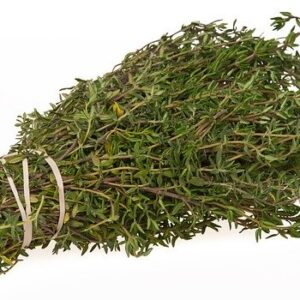
This hardy perennial has strongly flavoured leaves perfect for seasoning meats, soups and sauces. It’s a good candidate for your kichen herb garden! And once established, thyme requires little watering and fertilizing. Plant in full sun. Grows to 8-12 inches tall.
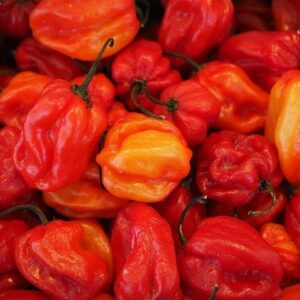
Not for the faint of heart! These little fire bombs rank 100,000 to 350,00 SHU’s on the scoville heat scale. Habanero peppers start out lime green, then ripen to fiery orange, then to red. They require lots of heat, and take a little longer to mature than most other peppers at 90-100 days from transplant. Plant in full sun, in well drained, fertile soil. Do not plant with brassicas, beans, or fennel. (3-1/2 in pot)
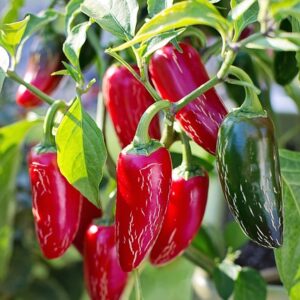
These plants grow to about 2′ tall and can be planted in large containers. The peppers are moderately hot, and are great for adding a bit of spice to salsas, dips, and sauces.
Peppers start out green, then turn red.
Plant in full sun, in fertile, well drained soil.
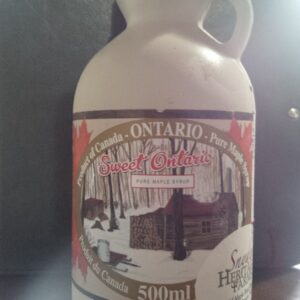 Organic Maple Syrup from Sydner Heritage Farms (500ml-Amber)
1 × $12.00 PLANT:Tomato- Old German (Heirloom)
1 × $4.00 PLANT: Swiss Chard-Bright Lights
1 × $4.00
Organic Maple Syrup from Sydner Heritage Farms (500ml-Amber)
1 × $12.00 PLANT:Tomato- Old German (Heirloom)
1 × $4.00 PLANT: Swiss Chard-Bright Lights
1 × $4.00 Subtotal: $20.00